Hiring a skip is the most convenient, cost-effective solution to clear out garden waste, residential renovation waste, single-day project waste, or commercial waste. But hiring a skip for the first time raises many questions. What will be the perfect skip size? How much does skip hire cost? How would hiring a skip be beneficial? Will I need a permit? What waste could go in the skip? If you get all of these right, you will be managing waste efficiently and within your budget. This skip hire guide is the answer to all your questions and helps you throughout the waste removal.
What is skip hire
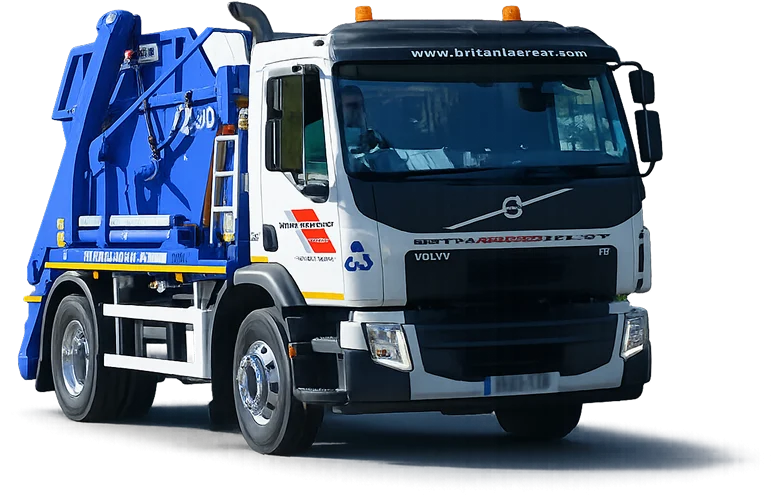
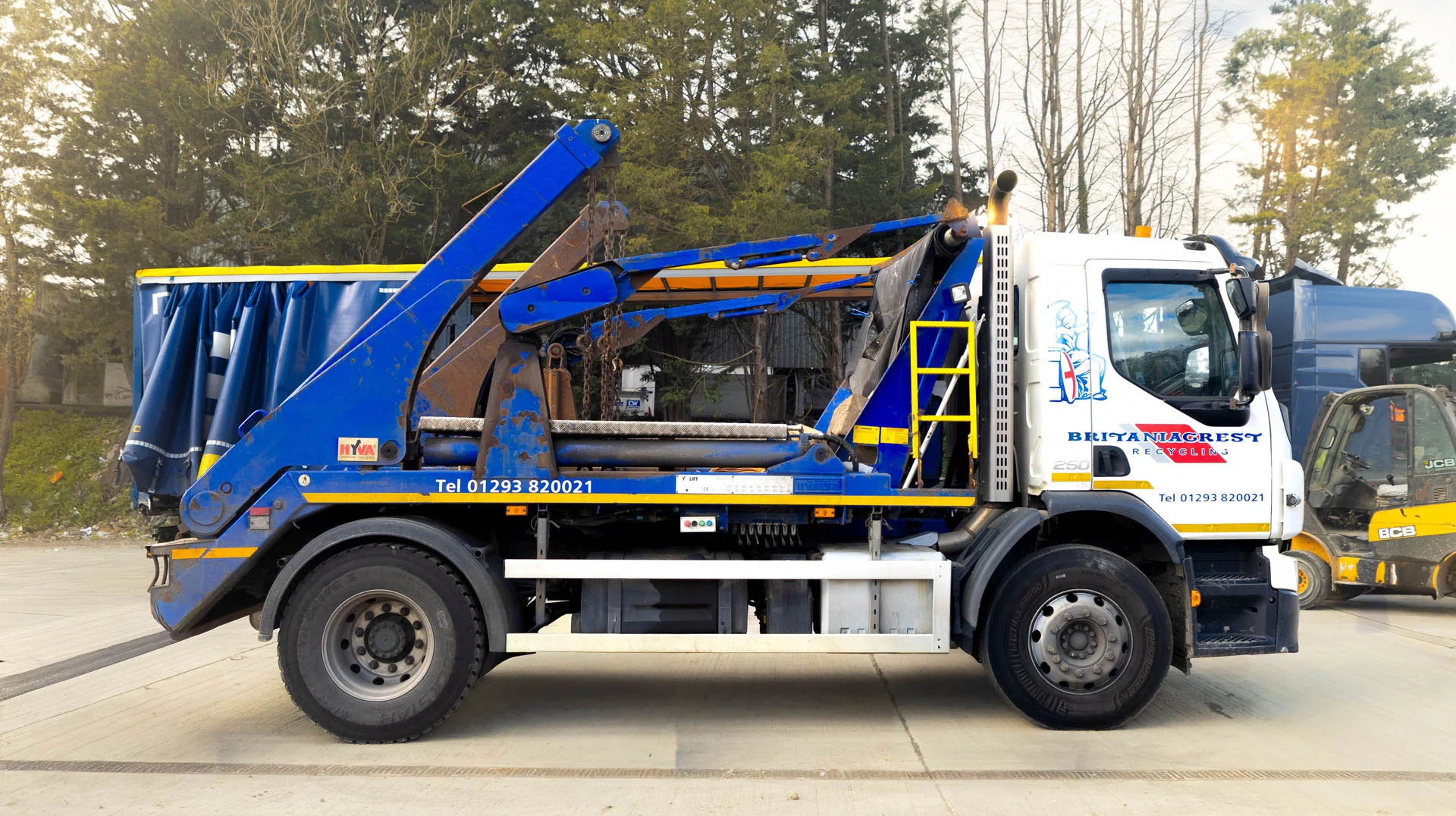
Skip hire is a container service that helps you conveniently remove rubbish or waste on a larger scale. You can get rid of all the waste in one go, as skip hire eliminates the traditional method of removing waste through multiple trips to the landfill. Depending on the scale of waste produced, there are different sizes of skips from 4, 6, 8, 12, 14, to 16 yards. Be it garden trimming, clear-outs, house renovation waste, removing building rubble, or office clean-outs, skip hire provides a practical solution. Once the skip is full, the company takes back the skip and processes the waste responsibly.
What are the benefits of hiring a skip
Skip hire services offer convenience, save time, are cost-effective, and follow an environmentally friendly approach.
- Convenient waste removal solution: Skip hire gives convenience, one of the best advantages, because the skip will be placed on your site, and you can fill it at your own pace instead of going to landfills.
- Cost-effective: Skip hire is cost-saving for disposing of waste as you don’t have to visit the landfill. It could be cheaper as you can choose the skip of your preference.
- Environmentally friendly: Professional skip service providers recycle the majority of waste, preventing it from going to landfills, which reduces the carbon footprint.
- Saves time: You can fill the skip at your own pace and get it picked up once it’s filled. This will also save you time to handle other tasks.
What size skip do I need?
There are a variety of skip sizes, from 4, 6, 8, 12, 14, to 16 yards, for different volumes of waste. The size you will require to book will be calculated based on your waste volume, waste type, site access, duration, and budget.
- A 4 yard skip works for small renovation waste clearance and garden clear-outs.
- A 6 yard skip is common for small-scale renovation waste and building projects.
- An 8-yard skip works for large-scale renovation waste clearance and for trades, and handles bulky materials, bricks, and rubble.
- A 12-yard skip is hired for medium-to-large office clearances, renovation, or builders’ waste.
How much does skip hire cost?
Whether you are doing garden clearance, removing renovation waste, or disposing of commercial waste, skip hire costs depend on the type of waste, skip size, hire duration, and permit fees. Understanding these factors will help you hire a skip within your budget. By planning wisely, choosing the right skip size, and avoiding overfilling, you can reduce skip hire costs.
How to choose the right skip size
The type and volume of waste, the hire duration, and available space all play a role in choosing the right skip size.
- Waste category: The waste type mainly decides the skip size. Garden waste and domestic waste need small and midi skips. Large quantities of soil, rubble, bricks, and construction waste generally require midi or large skips.
- Volume of waste: Waste volume mainly determines skip size. Household waste can fit in a small skip, while construction waste usually needs a large skip.
- Available space: Space also affects skip size. Smaller skips work for limited space. Larger skips fit on the street and require a permit.
- Project duration: Smaller skips are sufficient for short-term waste removal projects. Larger-scale renovations or construction generally need larger or roll-on/roll-off containers.
What can and can’t go in a skip
If you are confused about “what can you put in a skip” and “what can’t you put in a skip”, here is the list. You can throw general household waste, garden waste, construction and DIY waste, wood, metal, cardboard and paper in a skip. Restricted materials include asbestos, wet paint, liquids, oil, lead paint, timber, clinical or medical waste, batteries, and explosive items.
Skip Hire Process
Follow the simple skip hire process to clear your waste easily.
- Step 1: Confirm your skip size: Measure the volume and type of waste, share it with the skip hire company, and the specialists will help you choose the right skip size.
- Step 2: Booking confirmation: Contact the skip hire company, share your requirements, and book the skip. You will need a skip permit for placing it on a public road; the skip hire company will arrange this.
- Step 3: Skip delivery: The skip is delivered to the site on the scheduled date on time.
- Step 4: Fill the skip: Now you can fill your skip, and make sure you put only non-hazardous materials in to avoid fines or denial of skip collection.
- Step 5: Collection and disposal: Lastly, the company will collect the skip and dispose of the collected waste responsibly.
What are the skip permits & regulations?
A skip hire permit is required if you place a skip on public driveways or properties. This permit gives you the right to use the public land for placing your skip if you don’t have enough space on your property. Generally, the skip hire company arranges the permit on the client’s behalf. Whereas, if you have sufficient space to place the skip on your private property, you won’t require any permit. That’s why you should plan the removal and choose the right skip size that fits on your private land.
How waste is recycled
Waste recycling involves multiple steps of sorting, processing, recycling, and repurposing.
There are a variety of waste materials, such as metal, fabrics, plastics, and more, that are separated and sorted first before recycling. The company categorises each waste material and treats each category separately; for instance, it processes wood, composts garden and biodegradable materials, and crushes building materials. Finally, the company recycles the processed waste and disposes of the rest safely or sends it to a landfill.
Skip Hire vs Grab Hire vs Man & Van: Which should you choose?
Skip hire is perfect for multiple jobs where you fill the skip at your own speed. Grab hire is generally used for heavy, large volumes of waste and is usually cheaper than skip hire. Man & Van hire is quick and best for one-off jobs.
If you are renovating, doing ongoing construction, or refitting, then choose domestic skip hire or commercial skip hire. For removing rubble, tonnes of soil, or hardcore materials, choose grab hire. Lastly, if you are removing furniture or mixed items from a property, a man & van is the best choice. Whatever you choose, the rules & regulations are the same.
What are the common skip hire mistakes to avoid
- Wrong skip size selection: A wrong skip size can affect the overall cost and timeline within which you want to dispose of your waste. For example, if you hire a 2- or 4-yard skip but the waste is from an office relocation, it might not be able to accommodate it all. That’s why you should analyse the volume of waste and book a skip accordingly.
- Ignoring permits: One of the most common mistakes is ignoring permits, which can cost you more and disrupt your budget. If you place the skip on your private driveway or property, you need a permit. If you place a skip on a public road or in a public area, you will need a permit; otherwise, you may have to pay a fine.
- Ignoring waste segregation: Waste segregation is as important as removing the waste. Some hazardous waste materials, like paint, electrical items, batteries, asbestos, medical waste, and syringes, are not allowed in skips and may incur additional surcharges. It is better to be mindful while segregating waste and speak with skip hire experts before dumping something unusual.
How to choose a skip hire company
You can choose a skip hire by following the points below:
- Check their credentials: Ensure they are legitimate skip hire companies registered with the local environmental agency. Check waste carrier license, insurance, and local permits.
- Check the skip hire sizes: Although there are standard sizes, every company has a different size of skip hire. Check for the size that you need. Communicate the type of waste that you have so that you don’t end up with any surprises about that particular waste falling under a non-permitted waste item.
- Online reviews and testimonials: Reviews and testimonials speak volumes about the skip hire company. Check the reviews carefully and see what the customers have said about them.
- Consider transparency with pricing: Pricing is a key factor and should be competitive and transparent. Confirm restricted items, hidden fees, and surcharges before confirming the booking.
Conclusion
The most convenient and smart way to manage waste from garden cleaning, house clear-outs, office refurbishments, or a construction site is to hire a skip. It is not just easy; it is cost-effective. Select a company that has a simple and clear process, no hidden fees, and transparent communication. Always prioritise professionalism; this will keep you safe from any penalties from authorities. If you would like to book a skip hire, contact Britaniacrest Recycling, confirm the booking, and our team will be happy to help you choose the right skip. Call or email us for a free quote.
FAQs