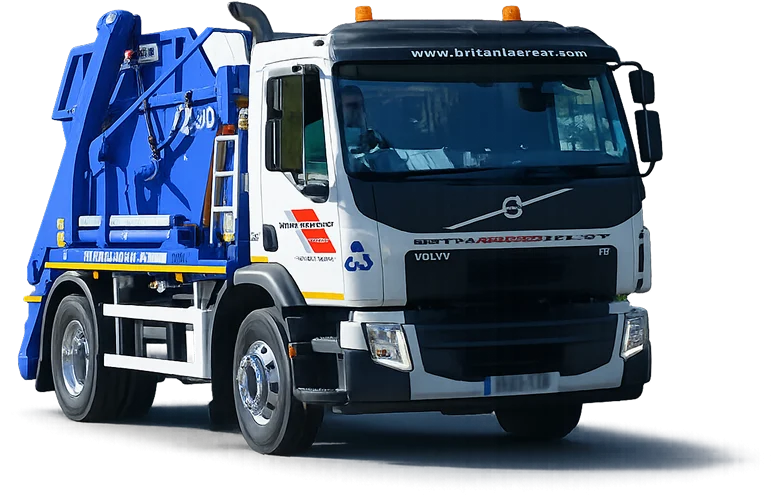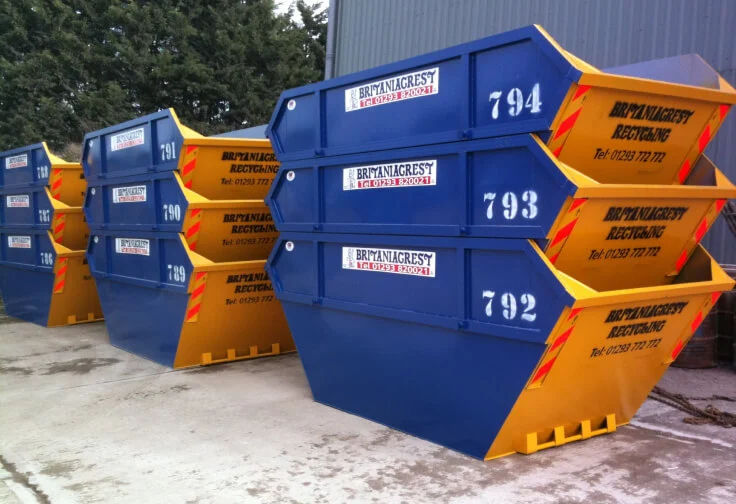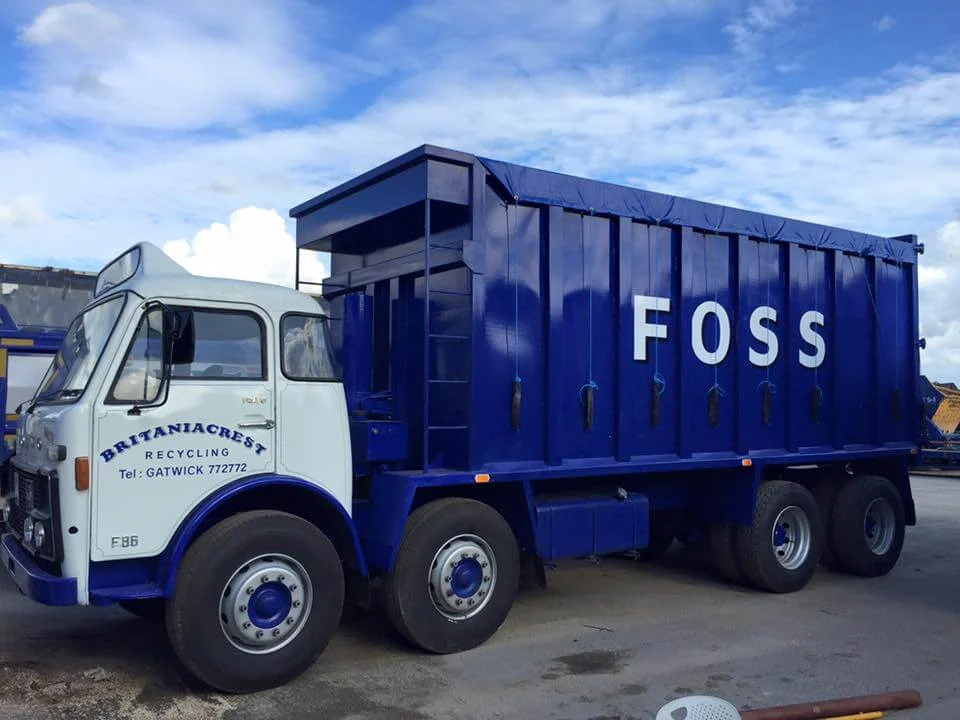
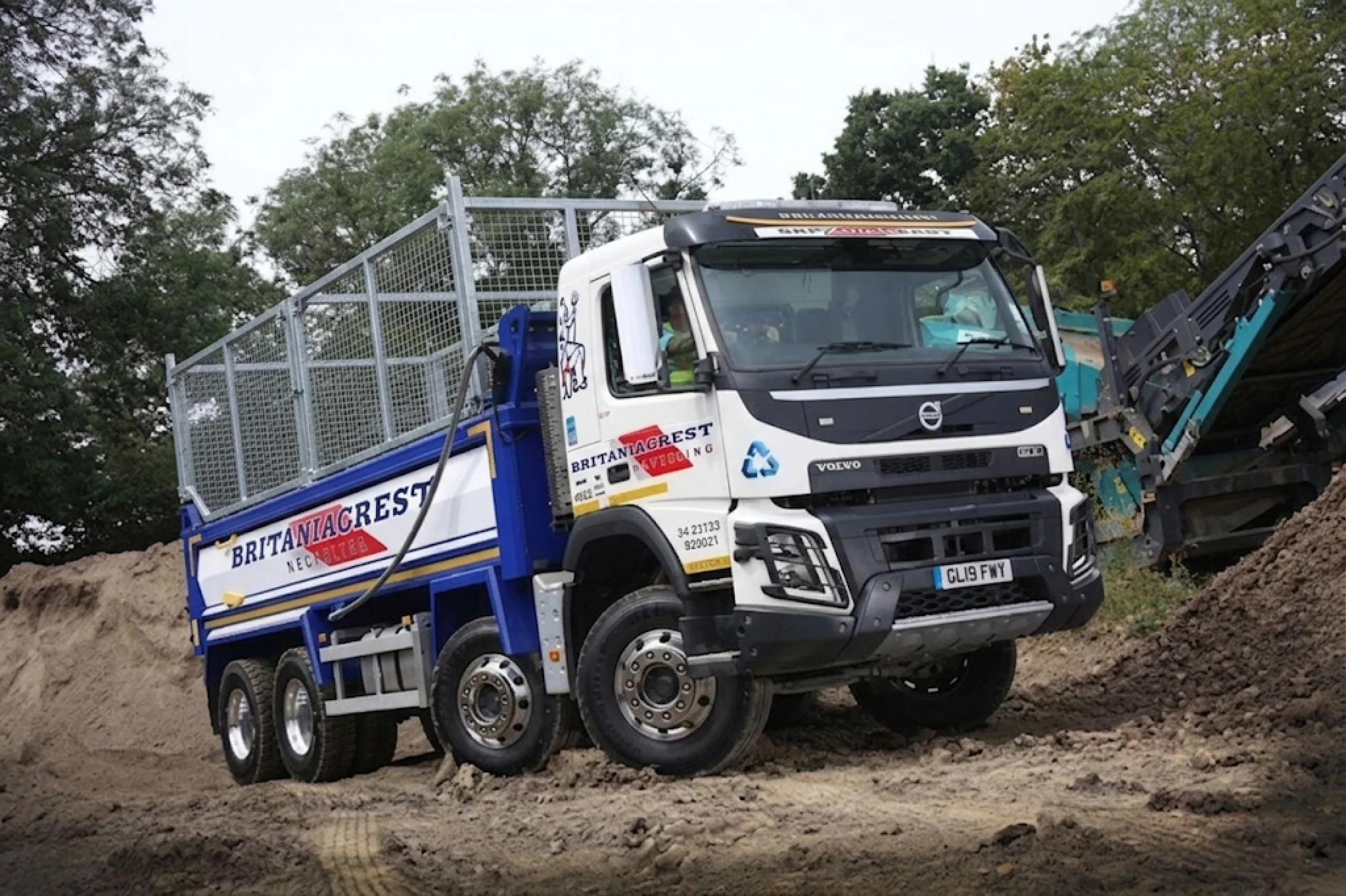
Are you planning a garden clearout, home improvement project, or renovation work? Skip hire can help clear the waste in one go. Skips are an ideal choice when you need to manage large volumes of waste. Skip hire services ensure mass skip containers are delivered to your site, the waste is dumped, and once the hire period is over, the skip container is collected. Let’s understand how skip hire works.
How Does Skip Hire Work?
The skip hire process is simple. Be it commercial or domestic skip hire, it works in the following ways:
- Assess the Type and Amount of Waste: First, check the volume of waste you have. Then check the type of waste you need to dispose of.
- Choose the Right Skip Size: The next step is selecting the ideal skip size for your project. For example, domestic waste can fit in a 2- or 4-yard skip. An 8-yard skip can accommodate office renovation and home renovation waste. A 20-yard skip is best for construction waste.
- Choose Where to Place the Skip: Now select where you want to place the skip. Keep the skip size in mind while determining the space. Can your private space accommodate the skip, or do you need to place it in a public space?
- Check Whether You Need a Skip Permit: If it is placed on private land, you don’t need planning permission. If it is placed in a public area, you need the council’s permission.
- Book Your Skip: You can then book the skip by selecting the type and amount of waste, choosing the right skip, selecting where to place it, and confirming whether you need a skip hire permit.
- Prepare for Skip Delivery: The skip is then delivered to the chosen address on the selected date and time. You can prepare the waste for delivery.
- Fill the Skip Correctly: Once the skip arrives, fill the skip correctly. Understand what’s allowed and what’s not allowed in a skip.
- Arrange Skip Collection: The final step is arranging skip collection to ensure the waste is removed properly and disposed of correctly.
How Long Can You Hire a Skip?
You can keep a skip for as long as you need. You can also extend this to 7-14 days, depending on your needs. This ensures you don’t feel rushed. If your project is bigger, you can speak with the skip hire expert to extend the hire period.
What Can You Put in a Skip?
Some items can go in a skip, while others are not allowed. Tiles, wood, cement, rubble, electrical cabling, glass, metal, bathroom refits, kitchen refits, garden waste, soil, leaves, branches, turf, paving slabs, carpets, sinks, toilets, bathtubs, plastics, packaging, and general household rubbish.
How Much Does Skip Hire Cost?
Skip hire costs depend on the waste type, the quantity of waste, the skip hire selected, the duration of the hire, access to the location, and any required permissions. A skip expert can confirm the exact skip requirements and provide a dedicated quote for your project.
What Happens to Your Waste After Skip Collection?
When the skip is collected, the waste isn’t dumped into a landfill. First, the waste is sorted with the help of manual workers and mechanical systems. Metals, wood, plastic, everything is segregated. Metals are mostly sent to scrap processors; plastics are sent for reprocessing. They try to reuse every material, and only a small amount of waste goes to landfill. As a result, waste is handled efficiently. This applies to both domestic and commercial skip hire.
Conclusion
Skip hire makes waste removal easy. Now that you know how skip hire works, you can choose the right skip for your project. Britaniacrest Recycling provides efficient, reliable, professional, and environmentally responsible service. We handle every job with the utmost care and safety. You get flexible hire, competitive quotes, friendly & professional drivers, quick service, supportive booking, and a 100% waste diversion goal. Book your reliable skip hire today!
FAQ Section